
 Posted by
 The smartest relocation decision is not about finding the “best suburb.” It is about finding the version of DFW that fits your real life.
For successful professionals, entrepreneurs, executives, physicians, attorneys, tech leaders, business owners, and affluent families moving to Dallas–Fort Worth, the relocation question should not begin with, “What is the best suburb?”
That question is too small.
The better question is:
Which version of DFW fits the way I live, work, travel, socialize, raise a family, and build wealth?
From time to time, I get questions like this from those who either just moved here or are2-3 months away from doing so.
Executive Summary
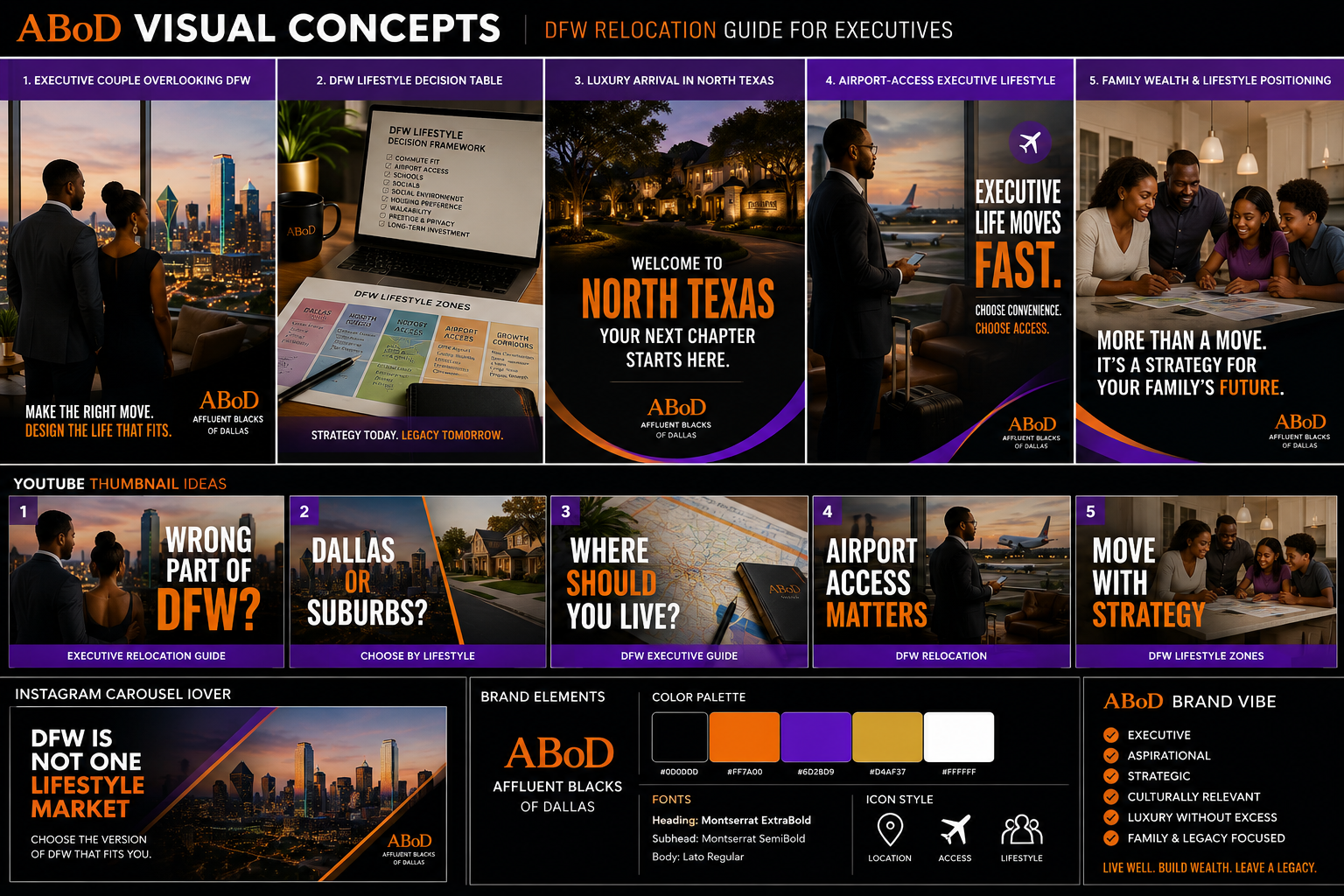
The right DFW move is not about the most expensive ZIP code. It’s about fit. New York movers may need city energy or a clean suburban reset. Chicago movers may value established suburbs and cultural depth. Los Angeles movers may prioritize design, privacy, and outdoor living. Miami movers may need social energy and visible luxury. San Francisco movers may want the North Dallas corporate-tech corridor or airport-centered convenience. For affluent Black professionals and families, the best decision also includes social capital, school strategy, business networks, cultural connection, and long-term wealth positioning.
This refinement would improve readability without changing the core argument.
Dallas–Fort Worth (“DFW” for those who don’t know) is not one lifestyle market. It’s a collection of distinct executive lifestyle zones. There is urban Dallas, legacy Dallas prestige, estate-style Dallas privacy, the North Dallas corporate corridor, airport-access luxury suburbs, Fort Worth cultural luxury, and fast-growth outer suburbs.
That distinction matters.

A professional relocating from Manhattan may want restaurants, energy, walkability, and proximity to business meetings. A family moving from Chicago may understand the appeal of established suburbs, private schools, country clubs, and civic neighborhoods. A Los Angeles mover may care about design, privacy, outdoor living, architecture, and airport access. A Miami mover may expect visible luxury, hospitality energy, lounges, fashion, restaurants, and condo-style convenience. A San Francisco or Silicon Valley mover may prioritize corporate proximity, schools, modern housing, safety, entrepreneurship, and commute efficiency.
All of these buyers may have similar income levels. But they may need completely different parts of DFW.
The mistake is assuming that a large house in a nice area automatically equals the right move. In DFW, a beautiful home can still be wrong if the commute is painful, the airport is inconvenient, the social scene is misaligned, or the area feels too suburban, too urban, too quiet, or too disconnected from the business ecosystem you need.
For the Affluent Blacks of Dallas audience, this decision carries another layer. A relocation is not just about real estate. It is about lifestyle architecture, social capital, family positioning, business opportunity, and long-term wealth strategy.
DFW is not just a place to move. For many affluent Black professionals and families, DFW can become a platform.
It can be a platform for career acceleration, entrepreneurship, real estate appreciation, private-school strategy, cultural connection, civic influence, and multigenerational positioning.
That is why the neighborhood decision matters.
You are not just choosing where to sleep. You are choosing where your family will build relationships, where your children may form networks, where your business reputation may grow, and where your wealth strategy may quietly compound over time.
DFW Is a Lifestyle-Zone Market
The first thing relocating executives must understand is that DFW does not operate like one single luxury market.
There are multiple DFWs inside DFW.
Urban Dallas
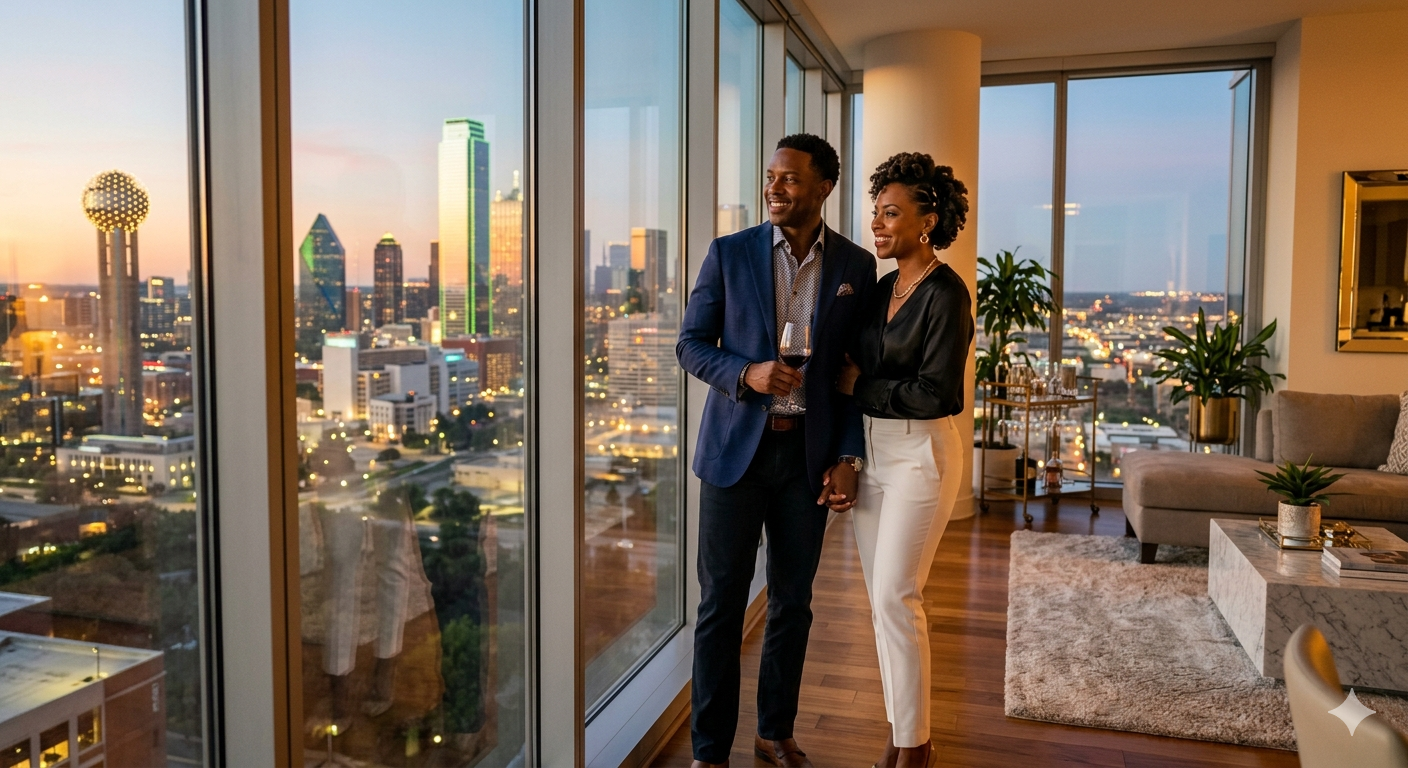
This includes areas such as Uptown, Turtle Creek, Victory Park, Knox-Henderson, and nearby Dallas districts. These areas appeal to executives who want restaurants, high-rise living, nightlife, walkability by DFW standards, and proximity to the Dallas business core.
Legacy Dallas Prestige
This includes Highland Park, University Park, Preston Hollow, Bluffview, and Turtle Creek. These areas appeal to buyers who value established luxury, private-school access, mature neighborhoods, elite social circles, country clubs, large homes, and central Dallas proximity.
North Dallas Corporate Corridor
This includes Plano, West Plano, Legacy West, Frisco, and parts of McKinney and Prosper. These areas appeal to corporate executives, technology professionals, business owners, and families who want strong schools, new construction, upscale retail, restaurants, corporate campuses, and planned suburban convenience.
Airport-Access Luxury Suburbs
This includes Southlake, Westlake, Colleyville, Grapevine, Coppell, Flower Mound, Las Colinas, and parts of Irving. These areas matter for executives who fly often and need practical access to DFW Airport.
Fort Worth Cultural Luxury
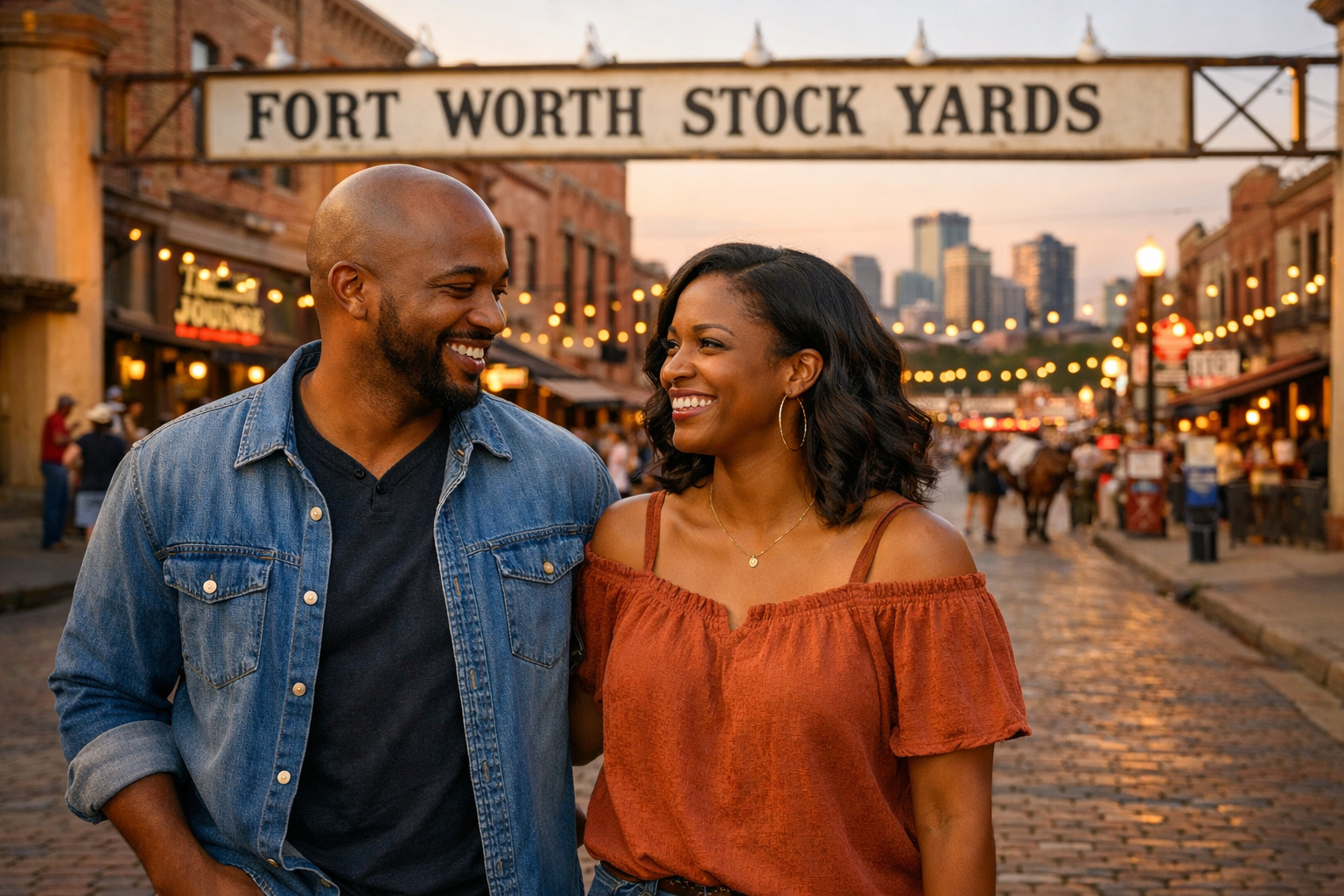
This includes Westover Hills, Rivercrest, Tanglewood, Monticello, and select Fort Worth districts. Fort Worth luxury is often quieter, more civic, more culturally grounded, and less flashy than Dallas.
Fast-Growth Executive Suburbs
This includes Frisco, Prosper, Celina, McKinney, and other growth corridors. These areas often offer larger homes, master-planned communities, newer schools, sports culture, and long-term growth narratives.
The key point is simple: the “best” DFW area depends on the lifestyle, not just the budget.
New York Movers: City Energy or Suburban Reset?
New York movers often value convenience, restaurants, cultural energy, prestige, proximity, and efficient access to business meetings. But many are also coming to DFW because they want more space, easier parking, less daily friction, and a different family environment.
For the New York mover who still wants urban energy, Uptown, Turtle Creek, Victory Park, and Knox-Henderson can make sense. These areas offer restaurants, luxury apartments or condos, nightlife, and more walkability than most of DFW.
For the mover who wants established status, Highland Park and University Park offer legacy Dallas prestige, elite schools, luxury retail access, private clubs, and a polished residential environment.
For those who want space without fully disconnecting from Dallas, Preston Hollow is a serious option. It offers estate homes, larger lots, privacy, private-school access, and proximity to Dallas business and cultural districts.
For New Yorkers who are ready for a complete suburban reset, Plano, Frisco, and Legacy West may be the better fit. These areas offer corporate convenience, new housing, restaurants, shopping, sports, youth activities, and a more structured suburban lifestyle.
The key question for a New York mover is:
Do I want a Dallas city lifestyle with more space, or do I want a full suburban lifestyle reset?
Chicago Movers: Established Suburbia or Cultural Depth?
Chicago movers often understand large metro geography. They know the difference between city neighborhoods, established suburbs, country club corridors, private schools, and commute tradeoffs.
That makes many Chicago movers well-positioned to evaluate DFW.
For those who want established neighborhoods, mature trees, schools, and proximity to business and culture, Park Cities and Preston Hollow can feel familiar.
For those who want polished suburban luxury, strong schools, executive neighbors, larger homes, and airport access, Southlake, Westlake, and Colleyville are strong options.
For executives working in the northern corporate corridor, Plano, Frisco, and Prosper may be practical and strategic.
For those who prefer a more grounded, civic, cultural city, Fort Worth deserves serious consideration. Areas like Westover Hills, Rivercrest, Tanglewood, and Monticello offer a more understated form of luxury.
The key question for a Chicago mover is:
Do I want the Dallas version of North Shore-style suburbia, or do I want a city-suburb balance with cultural depth?
Los Angeles Movers: Design, Privacy, and Lifestyle Fit
Los Angeles movers often care about architecture, privacy, outdoor entertaining, restaurants, fitness, schools, airport access, and lifestyle texture.
But DFW will feel different. It is more car-dependent. The summers are intense. The geography is flatter. And lifestyle nodes can be spread far apart.
For LA movers who want estate privacy, gated properties, pools, outdoor entertaining, large lots, and access to private schools, Preston Hollow is one of the strongest fits.
For buyers who care about design, mature trees, architectural character, and less generic luxury, Bluffview, Greenway Parks, and Devonshire deserve attention.
For families who want a major home-size upgrade, new construction, resort-style amenities, youth sports, and strong schools, Frisco, Prosper, Celina, Southlake, and Westlake may be attractive.
For LA movers who prefer lock-and-leave living, concierge buildings, restaurants, and nightlife, Turtle Creek and Uptown high-rises may be better aligned.
The key question for a Los Angeles mover is:
Am I moving to DFW for space and family life, or do I still need design, restaurants, and social energy close by?
Miami Movers: Social Energy or Executive Quiet?
Miami movers often come from a luxury culture that is more visible, social, international, hospitality-driven, and fashion-conscious. They may be used to luxury condos, lounges, restaurants, warm weather, nightlife, and a more public-facing version of success.
DFW can work well for Miami movers, but the area must be chosen carefully. Much of DFW luxury is quieter, more suburban, more family-centered, and more understated.
For social energy, Uptown, Victory Park, Harwood District, and Turtle Creek are strong options. These areas provide restaurants, lounges, sports venues, luxury apartments, condos, and a more active social rhythm.
For prestige and polish, Highland Park and University Park offer legacy luxury, private-school access, upscale retail, and an established social environment.
For a curated suburban experience, Legacy West, West Plano, and Frisco may appeal to Miami movers who want restaurants, retail, business proximity, and master-planned convenience.
For airport access and a more central location between Dallas and Fort Worth, Las Colinas and Lake Carolyn can also be worth evaluating.
The key question for a Miami mover is:
Do I need social energy and hospitality-style luxury, or am I ready for a quieter executive-family environment?
San Francisco and Silicon Valley Movers: Corporate Corridor or Airport-Centered Convenience?
San Francisco and Silicon Valley movers often care about technology jobs, schools, safety, modern housing, entrepreneurship, airport access, efficient layouts, and quality of life.
For corporate and technology executives, Plano, Legacy West, and West Plano are natural fits. These areas offer proximity to major employers, restaurants, shopping, strong schools, and master-planned suburban convenience.
Frisco is a strong option for fast-growth energy, sports, new corporate campuses, high-income family neighborhoods, and new luxury homes.
McKinney, Prosper, and Celina appeal to buyers who want larger homes, newer communities, long-term growth potential, and more space than they could reasonably obtain in the Bay Area.
For executives who want airport access, schools, and a balanced location between Dallas and Fort Worth, Las Colinas, Coppell, and Flower Mound may be better options.
The key question for a San Francisco or Silicon Valley mover is:
Do I want the North Dallas corporate-tech corridor, or do I want airport-centered convenience with suburban quality of life?
The ABoD Lens: Do Not Ignore Culture and Network

For affluent Black professionals and families, relocation decisions often involve questions that do not show up on a basic real estate search.
Where will my family feel socially connected?
Where will my children build meaningful peer relationships?
Where are the professional, business, cultural, civic, church, and philanthropic networks that align with us?
Where can we entertain well, move comfortably, and still feel connected to the broader DFW community?
Where can we build not only a home, but a long-term presence?
This is where the conversation becomes more sophisticated.
A person can live in a prestigious ZIP code and still feel socially isolated. Another person can live in a fast-growth suburb and feel deeply aligned because the schools, neighbors, business network, restaurants, church community, and airport access all work.
The question is not simply, “Where do successful people live?”
The better question is:
Where does my version of success live well?

The Five Tradeoffs Every Executive Should Evaluate
1. Dallas Side vs Fort Worth Side
Dallas is more corporate, fashion-conscious, luxury-retail-oriented, and nationally visible.
Fort Worth is more relaxed, culturally grounded, Western-influenced, civic, and understated. However, it is evolving so stay tuned 2-3 years from now…
A New York or Miami mover may initially gravitate toward Dallas. A Chicago or California family looking for space, culture, and a calmer rhythm may find Fort Worth or the western suburbs more appealing than expected.
2. Love Field vs DFW Airport
For frequent flyers, airport access can matter more than house size.
Dallas Love Field favors Dallas, Park Cities, Preston Hollow, Bluffview, Uptown, and Turtle Creek.
DFW Airport favors Southlake, Westlake, Colleyville, Grapevine, Flower Mound, Coppell, Las Colinas, and parts of Irving.
This is one of the most practical executive relocation decisions in North Texas.
3. Walkability vs Space
DFW is car-oriented. True walkability is limited compared with New York, Chicago, San Francisco, or Miami.
If walkability matters, focus on areas such as Uptown, Knox-Henderson, Turtle Creek, Bishop Arts, Lower Greenville, Legacy West, Las Colinas, and select Fort Worth districts.
If space matters more, look at Preston Hollow, Southlake, Westlake, Frisco, Prosper, Celina, McKinney, and Flower Mound.
4. Established Prestige vs Growth Prestige
Established prestige includes Highland Park, University Park, Preston Hollow, Turtle Creek, Westover Hills, and Rivercrest.
Growth prestige includes Frisco, Prosper, Celina, Westlake, Legacy West, and parts of McKinney.
Established prestige often brings history, scarcity, mature neighborhoods, and elite social recognition. Growth prestige often brings newer homes, modern amenities, larger footprints, and appreciation narratives.
Neither is automatically better. They simply represent different strategies.
5. Schools vs Adult Lifestyle
Families with school-aged children may prioritize schools, youth sports, safety, peer networks, and family convenience.
Singles, couples without children, empty nesters, and executives with adult children may prioritize restaurants, arts, airport access, private clubs, gyms, healthcare, and convenience.
The “best” area can change dramatically once school needs are removed from the equation.
A Practical Scoring Framework
Before choosing an area, a relocating executive should score each candidate location from 1 to 5 across these categories:
| Category | Decision Question |
| Commute Fit | Can I reach my office, clients, or business meetings without resenting the drive? |
| Airport Fit | Is the right airport convenient for my travel pattern? |
| Lifestyle Fit | Does the area match how I actually spend evenings and weekends? |
| Housing Fit | Can I get the home type I want without over compromising? |
| Social Fit | Will I find my professional, cultural, family, or peer network here? |
| School Fit | Do the schools or private-school options fit my family strategy? |
| Prestige Fit | Does the area carry the kind of reputation I value? |
| Convenience Fit | Are restaurants, gyms, shopping, healthcare, and services close enough? |
| Long-Term Fit | Will I still like this area three to five years from now? |
| Resale Fit | Is there durable demand for this location and housing type? |
The area with the highest lifestyle score is not always the area with the highest real estate prestige. For executives, the winning location is usually the one that reduces daily friction while supporting professional identity, family needs, social rhythm, and wealth positioning. The source content also emphasizes that the best DFW move is not about finding the most expensive area, but about aligning home, commute, airport access, social life, schools, and executive rhythm.
Bottom Line
Higher-income professionals moving to DFW should choose by lifestyle architecture, not just ZIP code.
New York movers may prefer Uptown, Turtle Creek, Park Cities, Preston Hollow, or Frisco depending on whether they want city energy or a suburban reset.
Chicago movers may fit well in Park Cities, Preston Hollow, Southlake, Westlake, or Fort Worth.
Los Angeles movers should compare Preston Hollow, Bluffview, Southlake, Westlake, Frisco, and select Dallas high-rise districts.
Miami movers should be careful to preserve social energy by considering Uptown, Victory Park, Turtle Creek, Highland Park, Legacy West, or Las Colinas.
San Francisco and Silicon Valley movers may find their best fit in Plano, Frisco, McKinney, Prosper, Flower Mound, Coppell, or Las Colinas.
The best DFW move is not about chasing the most expensive address.
It is about choosing the area where your home, commute, airport access, schools, social life, cultural fit, business network, and executive rhythm all work together.
For the Affluent Blacks of Dallas audience, the decision is even bigger than relocation.
It is about positioning.
DFW can be more than a new metro area. It can be the next platform for your family, your career, your business, your relationships, your lifestyle, and your long-term wealth strategy.
Choose accordingly.

