 Posted by
 The truth about what really happened to communities in Georgia, North Carolina and Tennessee is more horrific than you’re being told. But we’ll save that for another post. What would YOU do if a storm as historically powerful as Helene hit your neighborhood here in the Dallas Ft. Worth area? What if a monster tornado came through with a powerful rainstorm, where unusually strong winds and massive floods swept through, trapping you with no water, food, electricity, or cellphone/WIFI service?
Some of our most vulnerable communities are already struggling with economic hardships, living paycheck to paycheck with not even a day’s worth of savings in case of emergency. Would you be able to survive 2 weeks without money, water, food, electricity, gas, accessible roads, no way to call loved ones or have them get in contact?
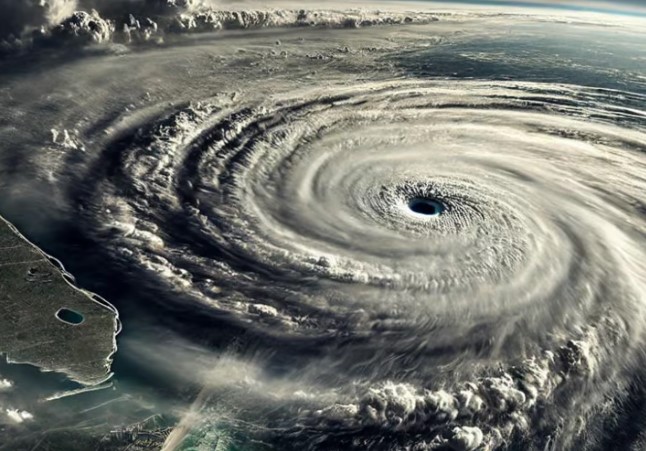
Hurricane Helene’s aftermath is a domino effect of worst-case scenarios. What would YOU do if a storm as historically powerful as Helene hit your neighborhood here in the Dallas Ft. Worth area? What if a monster tornado came through with a powerful rainstorm, where unusually strong winds and massive floods swept through, trapping you. Let’s understand what happened, and explore ways to be as prepared as possible if a monster storm hits DFW…
North Carolina, October 2024 – As Hurricane Helene ravaged North Carolina, the aftermath has left a trail of destruction that extends beyond the physical damage. The state’s electric grid is in shambles, water treatment plants are down, and residents are facing severe food shortages. The slow federal inconsistent, sometimes slow or no response (as told by direct survivors and eyewitnesses on the ground) has raised critical questions about preparedness and resource allocation, while local communities scramble to support each other in the face of adversity.
A Perfect Storm of Challenges
The devastation wrought by Hurricane Helene has been compounded by a series of unfortunate events. According to Princeton professor Jesse Jenkins, the U.S. is facing a critical shortage of transformers, essential for restoring power. This shortage is partly due to the U.S. sending a substantial number of transformers to Ukraine to support its power grid amidst ongoing conflicts. Also, minerals and raw materials important in semiconductor and technology–quartz silica and lithium–are in abundance in western North Carolina, which is very likely to cause global supply chain disruptions in your everyday devices such as smartphones, laptops and electric vehicles.
Adding to the complexity, a port workers’ strike on the East and Gulf Coasts has disrupted the supply chain, delaying the shipment of essential repair and replacement parts. This has left many rural regions in North Carolina without power, potentially for weeks or longer.
Federal Response Under Scrutiny
Despite the severity of the situation, the federal response has been criticized as slow and inadequate. FEMA has delivered about one million liters of water and more than 600,000 meals to North Carolina, but many residents feel this is not enough. Governor Roy Cooper and FEMA Administrator Deanne Criswell are on the ground coordinating relief efforts, but the scale of the disaster has stretched resources thin.
President Biden’s declaration of a Major Disaster for 25 North Carolina counties has allowed for additional federal assistance, yet the response has been hampered by logistical challenges and the ongoing supply chain disruptions.
Local Solutions: Community Resilience in Action
In the face of these challenges, local communities have stepped up to fill the gaps left by federal agencies. Grassroots efforts and local charities are proving to be lifelines for many residents.
Mutual Aid Networks: These grassroots organizations are coordinating efforts to deliver food, water, and other essentials to those in need. They are leveraging social media and community apps like Nextdoor to organize relief efforts and connect those in need with those who can help. Know your neighbors today! Don’t delay. “They” want us divided so that we don’t help each other during crises. You’d be amazed how many wonderful people live next door who you don’t know because the media has us fearing each other.
Local Food Banks and Pantries: Organizations like the Food Bank of Central & Eastern North Carolina and MANNA FoodBank are crucial in providing food and essentials to affected communities. Local food drives are being organized to collect non-perishable food items and distribute them to those in need. In the Dallas Ft Worth area are North Texas Food Bank, 4Saints & Friends Episcopal Food Pantry, Serve South Dallas, Aunt Bette’s Community Pantry, South Dallas Community Food Center, Tarrant Area Food Bank, Storehouse Community Center, Minnie’s Food Pantry, and several others. But an even better strategy (so as to not overwhelm the pantries during emergencies) is to start stockpiling emergency food supplies here and there when you can. Don’t delay!
Community Centers and Churches: Local community centers and churches are organizing food drives, providing shelter, and offering emotional and psychological support. The Salvation Army, for example, is offering emergency shelter and other services.
World Central Kitchen: Renowned chef José Andrés and his team have set up kitchens in disaster zones to serve thousands of meals to victims and responders. Their efforts are supported by donations from the public. DFW area restaurants often do likewise.
A Call for Accountability and Preparedness
The slow federal response and the logistical challenges highlight the need for better preparedness and resource allocation. The controversies surrounding organizations like the American Red Cross have eroded public trust, emphasizing the importance of transparency and accountability in disaster relief efforts.
Local communities have shown remarkable resilience and solidarity, but they cannot shoulder the burden alone. There is an urgent need for a coordinated and efficient federal response to ensure that resources are available where they are most needed.
As North Carolina continues to recover from Hurricane Helene, the lessons learned from this crisis must inform future disaster preparedness and response strategies. The resilience of local communities is commendable, but it is clear that a more robust and responsive federal system is essential to support them in times of need.
If you experience any level of disaster, even a local power outage that goes on longer than 24 hours, let us know below! We’ve got to start talking to each other more. Don’t suffer in silence if the next Helene disaster sneaks up on you unaware.
 Affluent Blacks of Dallas