

 Posted by
 Not only did Hurricane Melissa devastate Jamaica, it disrupted the myth of year-round paradise, particularly between mid-June to mid-November. For decades, Caribbean destinations have sold sun and sea without fully acknowledging the recurring danger of hurricane season. Melissa exposed an uncomfortable truth: the travel industry profits from predictable risk, yet too often leaves travelers stranded when disaster strikes.

The “Post-Melissa” Reality Check
Every storm season brings warnings, yet bookings continue well into late summer. Airlines, cruise lines, and resorts market optimism even as satellite maps show storms brewing. This mismatch between marketing and meteorology has finally caught up with the industry. Travelers now expect more than sunshine. They expect safety, honesty, and contingency planning.
Hotels and Airlines Must Share the Risk
If hotels and airlines choose to remain open during hurricane season, they inherit a duty of care. As simple as this sounds, we saw how these travel providers failed to do this. That duty doesn’t end when a storm makes landfall—it begins there. Guests who pay premium rates deserve premium protection: access to food, clean water, communication, and a clear plan for evacuation or shelter. Yes, a category 5 hurricanes is total nightmare, but care of travelers requires a category 5 response, even if it means partial or full refunds, and reduced hotel rates payable by business insurance that’s already built into the fare.
A responsible post-Melissa standard should include:
- Transparent hurricane policies on all booking sites.
- Automatic refunds or travel vouchers for Category 4+ storms.
- Mandatory backup generators and emergency food storage.
- Crisis communication plans with multilingual alerts.
The Ethics of Disaster Pricing
Price gouging after a hurricane is unethical and short-sighted. Travelers share their stories online in real time, and a single viral video of inflated rates can undo years of brand-building. Hotels that lower rates or provide free extensions for stranded guests create goodwill that outlasts the storm. Compassion becomes currency.
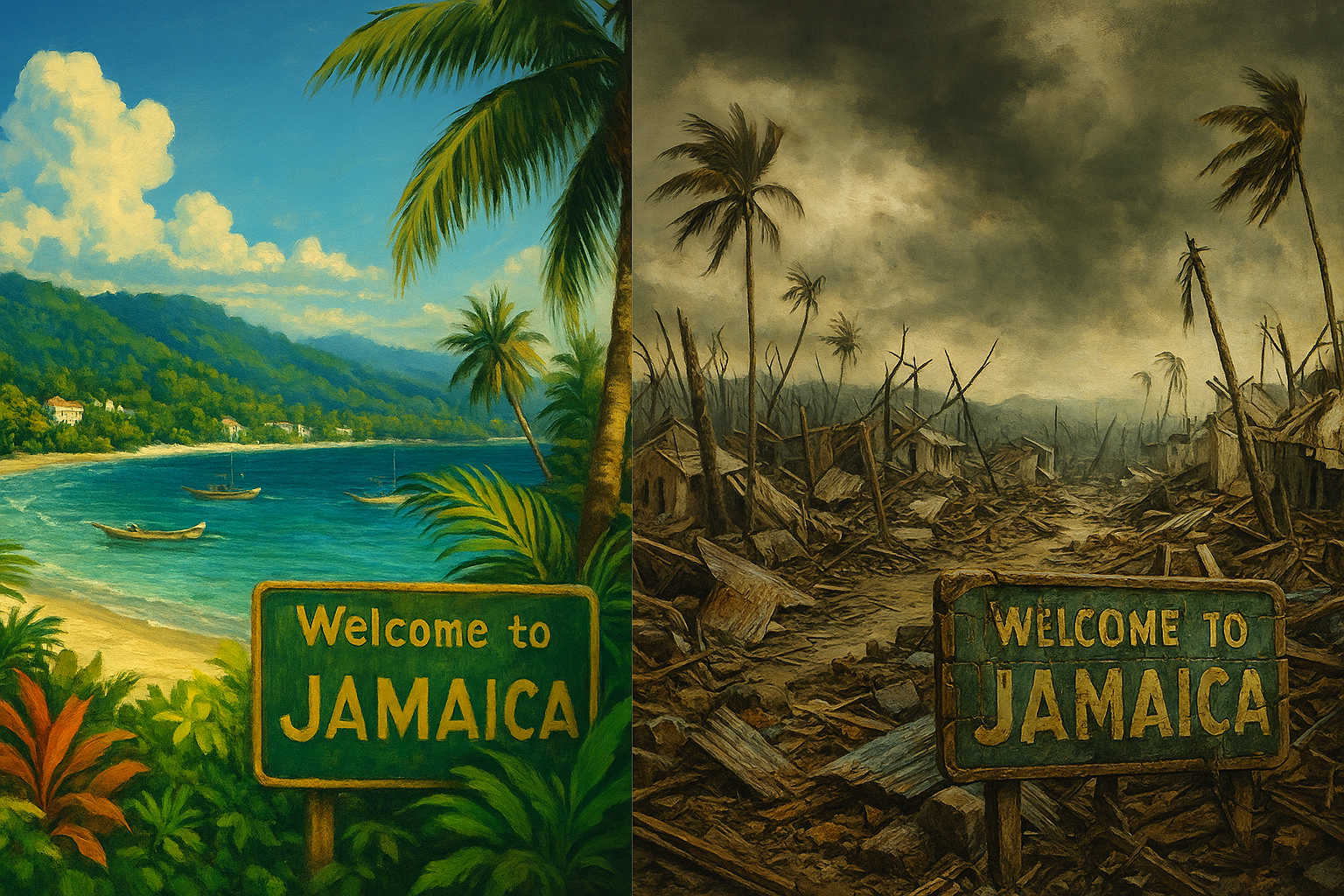
What a Post-Melissa Policy Should Look Like
The region’s ministries of tourism and private sector leaders should establish a “Caribbean Travel Resilience Code.” This would define best practices for both preparedness and guest welfare, protecting not only visitors but also the livelihoods of local hospitality workers.
Sample Policy Elements:
- Booking Transparency – Clearly label hurricane-season travel windows
- Food & Supply Reserves – Require hotels to maintain three to five days of rations per guest
- Communication – Establish regional emergency notification networks
- Recovery Credits – Offer loyalty points or vouchers for disrupted stays
[Insert Image: Hotel staff distributing meals to guests post-hurricane]
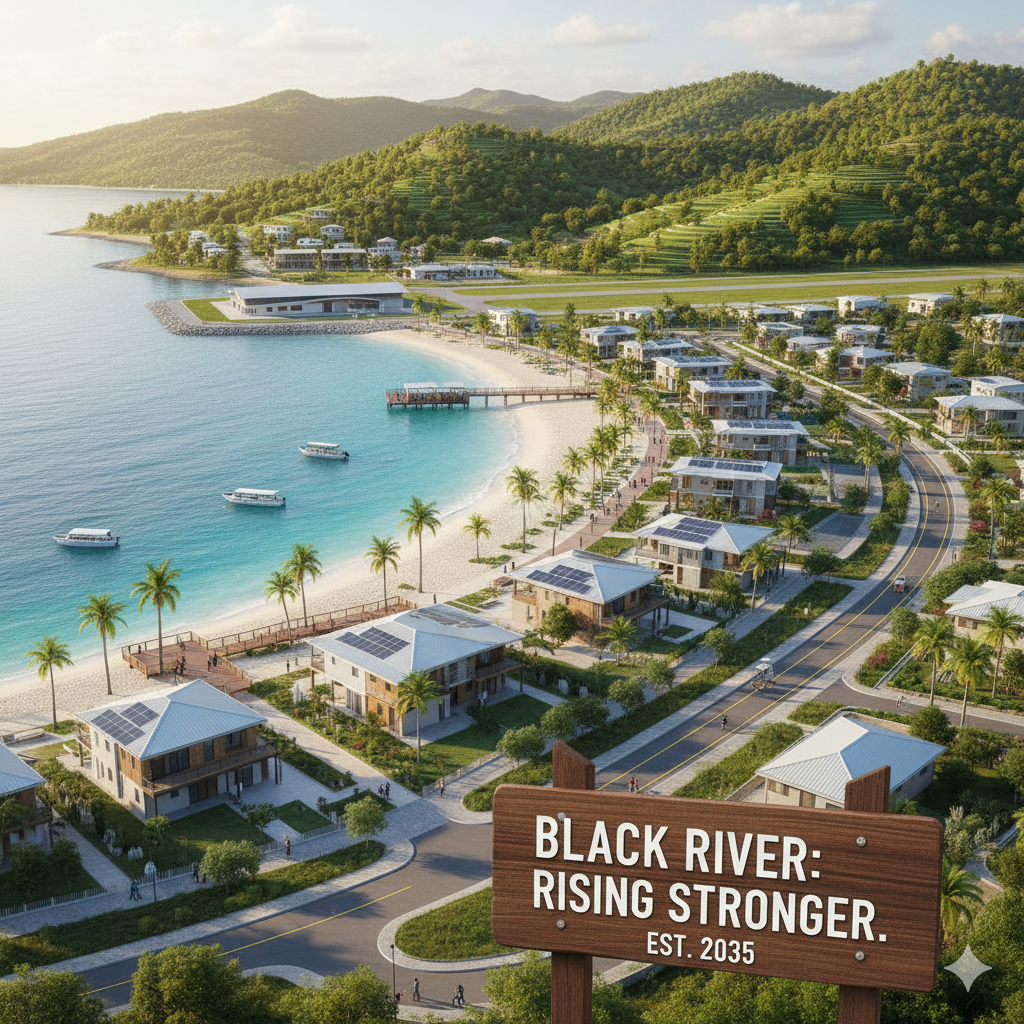
A New Caribbean Travel Code
It’s time for Caribbean tourism to evolve from seasonal optimism to structural resilience. Imagine a new certification—“Resilient Hospitality Standard”—granted to hotels that meet rigorous criteria for storm preparedness, backup power, and guest care. Such a label could become a hallmark of responsible luxury, giving travelers confidence and rewarding hotels that invest in sustainability and readiness.
Traveler’s Takeaway
Smart travelers can prepare too. Until the travel industry adopts a Resilient Hospitality Standard, here’s how to stay protected during hurricane season:
- Book refundable fares and flexible hotel rates between mid-June and mid-November, especially between August and October.
- Purchase travel insurance that includes “named storm” cancellation coverage (again, I personally think airlines and hotels should not book any travel to hurricane prone areas without built-in insurance).
- Before booking, ask hotels about their hurricane protocols and emergency supplies (get it in writing if possible)
- If you must travel, bring basic essentials—flashlight, power bank, snacks, and bottled water
- Keep embassy and airline emergency contact numbers saved offline
Hurricane Melissa should not be remembered solely as a natural disaster, but as a moment of reckoning for Caribbean tourism. The post-Melissa travel era demands honesty, accountability, and empathy…values that make both guests and destinations stronger. After all, true hospitality easy in good weather, but is tested and proven when the storm arrives.
By John Conley III — Founder, Affluent Blacks of Dallas

 Affluent Blacks of Dallas
One comment